When most of us hear the word ukiyo-e, our minds instantly picture the vibrant, mass-produced woodblock prints that defined Edo-period pop culture and later sent shockwaves through the Impressionist movement in Europe.
While those woodblock prints are iconic masterpieces of collaborative craftsmanship (involving the artist, carver, and printer), there is another, far rarer category of ukiyo-e that rarely gets the same mass spotlight: nikuhitsu-ga, original, hand-painted works.
Unlike mass-printed woodblock prints, nikuhitsu-ga are one-of-a-kind paintings executed directly onto silk or paper by the master’s own brush. They were luxury items created for wealthy patrons and discerning collectors. But a fascinating, bittersweet twist of history is that a staggering number of these irreplaceable masterpieces left Japan long ago, crossed the oceans, and seemingly vanished into foreign collections, never to return.
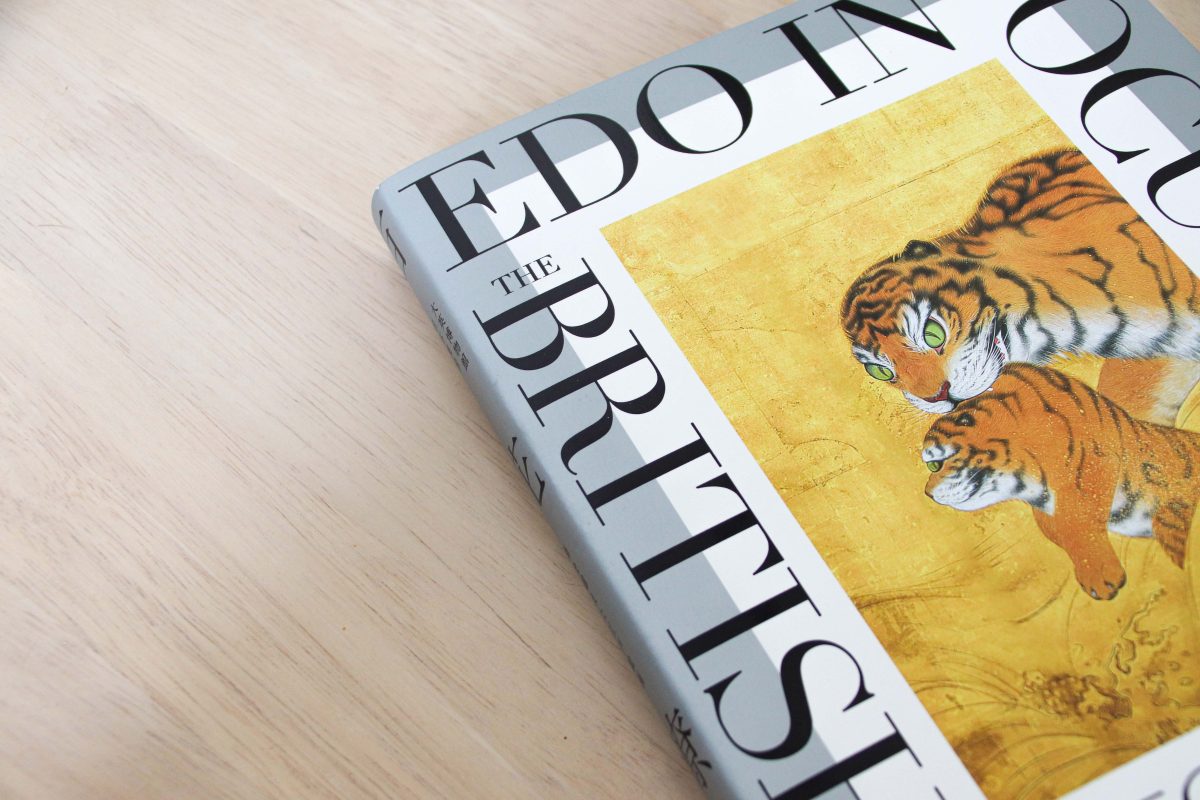
The sheer scale of this cultural diaspora—and the jaw-dropping story of what survived—is currently taking center stage at the “Edo in Focus: Japanese Treasures from the British Museum” exhibition at the Tokyo Metropolitan Art Museum.
Why Did the Masterpieces Leave?
During the late Edo period and the turbulent transition of the Meiji restoration, Japan underwent massive modernization. Amid the social upheaval, countless domestic treasures were shipped overseas as export art.
Institutions like the British Museum became major custodians of these works. For generations, a rather ironic reality persisted: if you wanted to see a comprehensive, world-class collection of delicate nikuhitsu-ga, you often had to look to European museums rather than inside Japan.
The Miraculous Discovery and 2026 Homecoming
What makes looking at these pieces right now so deeply emotional is the recent history of their rediscovery.
Many extraordinary works were long considered lost or untraceable—ghosts of art history. However, thanks to ongoing international research, hidden treasures have resurfaced abroad in recent years. Among them are Kitagawa Utamaro’s mesmerizing Courtesan Reading a Letter (Bun-yomu Yujo) and rare preparatory drawings (hanshita-e) by Katsushika Hokusai.
Hanshita-e are particularly special. They were the actual working drawings created by master artists for carvers to paste directly onto woodblocks and carve away. Because of their functional nature, they were typically destroyed or lost in the printing process, making surviving examples exceptionally rare.
For years, these pieces remained hidden in obscurity overseas. But now, through incredible strokes of historical fortune and modern curation, they have finally made their miraculous homecoming to Japan for this exhibition.
Standing in front of a Hokusai brushstroke or an Utamaro courtesan that spent over a century tucked away in a British archive—only to return to Tokyo today—feels like witnessing a reunion across time and space.
The Irony of Preservation
It is always bittersweet to think about how many cultural treasures were ripped away from their homeland. Yet, there is a silver lining.
Had these delicate hand-painted silk works remained in Japan through the ravages of domestic fires, wars, and economic turmoil, they might not have survived at all. The meticulous care, climate-controlled preservation, and deep academic research provided by institutions like the British Museum are precisely why these masterpieces are still here for us to marvel at today. Their journey abroad is also the very reason they survived to come back home.
A Little Piece of Hokusai to Take Home: The “Great Wave” Cookie Tin
After immersing yourself in the breathtaking world of Edo masterpieces, the exhibition’s special collaborative merchandise is an absolute must-browse—especially if you love a good museum keepsake.
One standout item is the “The Great Wave” Cookie Tin (1,620 JPY including tax), filled with a gorgeous assortment of fragrant Darjeeling cookies. The design is a breathtaking celebration of Hokusai’s genius from every angle:
- The Lid: Features his iconic, world-renowned masterpiece, The Great Wave off Kanagawa (Kanagawa Oki Nami Ura).
- The Sides: Beautifully styled with glass-painting-inspired motifs drawn from Hokusai’s lesser-known botanical and bird works, including Yellow Birds and Long Spring (Kōchō Chōshun), Usuzakura (Cherry Blossoms), and Shrike, Snake, and Wild Strawberry / Blue Columbine.
It’s an exquisitely detailed collector’s item that lets you appreciate the rich diversity of Hokusai’s art world long after the cookies are gone. A tin this stunning is guaranteed to become a cherished treasure on your shelf.

Why You Need to See This Exhibition
Knowing that these masterpieces crossed the ocean, spent generations lost in foreign archives, and have now miraculously returned to their homeland is nothing short of goosebump-inducing. There is a uniquely profound emotion in seeing them here on Japanese soil, a different kind of magic and resonance that you simply cannot get when viewing them abroad. Standing before these works and realizing you are witnessing their triumphant homecoming firsthand is an incredibly touching, unforgettable moment.
If you want to experience the true, intimate brushwork of Edo masters far beyond the familiar woodblock prints, this rare chance to welcome history’s wanderers back home is an absolute must-see.
Want to See Them in Person? Exhibition Details
If you want to experience the true, intimate brushwork of Edo masters and witness history’s wanderers return home, you can catch the exhibition at the following venues:
- Tokyo Venue:
- Location: Tokyo Metropolitan Art Museum
- Dates: July 25 – October 18, 2026
- Osaka Venue:
- Location: Nakanoshima Museum of Art, Osaka
- Dates: October 31, 2026 – January 31, 2027