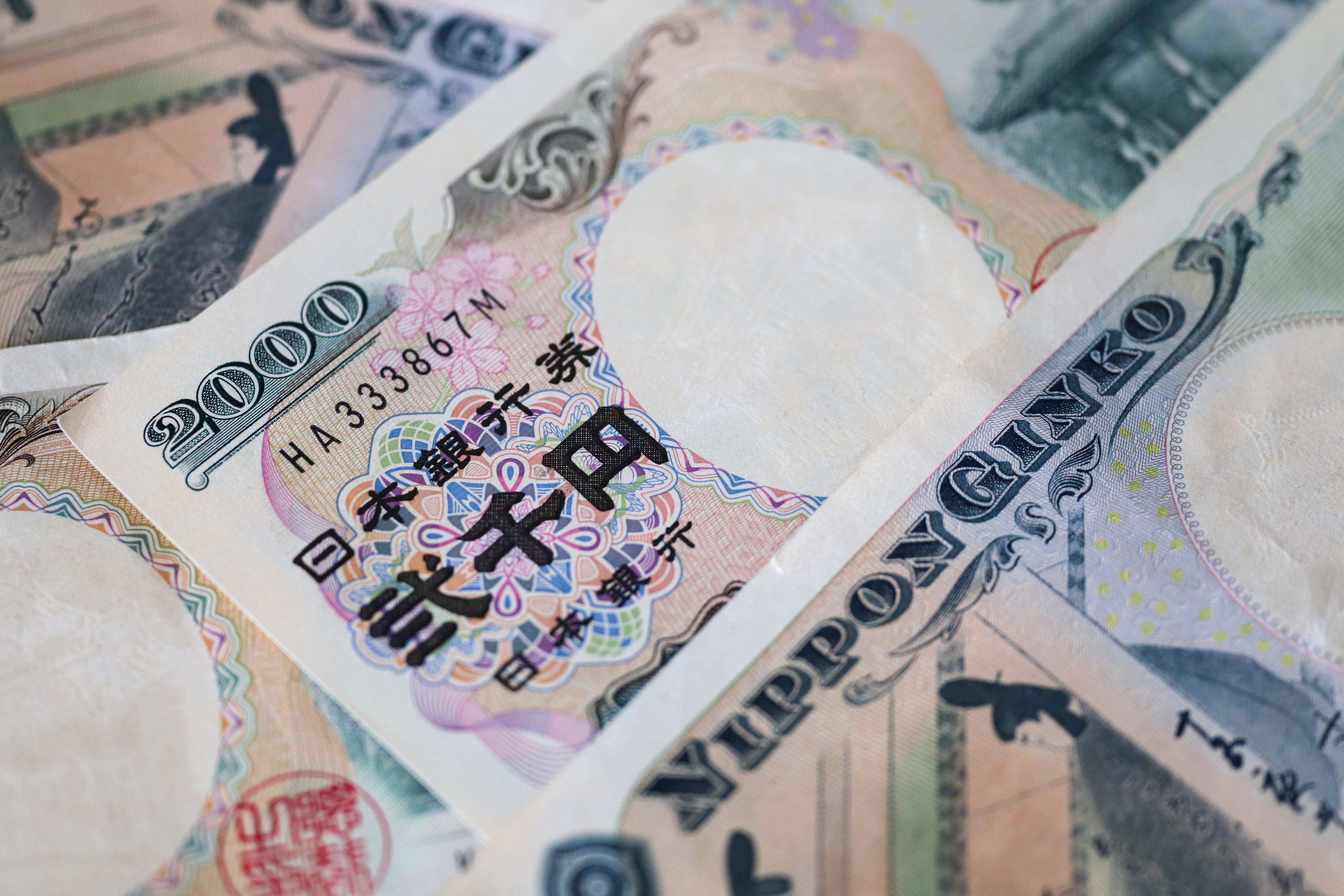
If you ask a local resident anywhere in Japan when they last held a green, crisp 2,000-yen bill, you’ll likely get a blank stare, followed by a chuckle. To most Japanese locals, the 2,000-yen note is an urban legend, a rare, mythical creature of Japanese currency that belongs in a museum rather than a wallet.
Yet, walk around tourist hotspots, take a guided tour, or chat with local guides, and you will notice a strange pattern: while daily cash transactions in Japan are entirely digital or use standard bills, the only time people seem to encounter a 2,000-yen note these days is when they receive one as a tip from an international traveler.
Wait… tips? In Japan?!
Let’s dive down the rabbit hole to find out where these elusive notes went, why locals never see them, and why they seem to mysteriously follow international visitors around.
The Brief History of the Unwanted Millennium Note
To understand where the notes went, we have to look back at July 2000. Japan introduced the 2,000-yen banknote to commemorate the G8 Summit in Okinawa and the new millennium. Featuring the iconic Shureimon Gate of Shuri Castle on the front and a scene from The Tale of Genji on the back, it was meant to be a modern, sleek addition to the economy. It was also Japan’s first denomination to use the number “2” since WWII.
There was just one massive problem: Japan didn’t want them.
The Vending Machine Rebellion: Japan is a wonderland of vending machines, ticket kiosks, and automated cash registers. Upgrading millions of machines across the country to recognize and process a “2” denomination was too expensive. Because machines kept spitting them out, people stopped using them.
The Counting Quirk: Traditional Japanese counting relies heavily on units of four digits, making denominations like 1,000, 5,000, and 10,000 feel completely natural. A “2” felt awkward and unnecessary in daily cash flow.
By the mid-2000s, printing largely stopped. Millions of them were quietly tucked away into Bank of Japan vaults, while the rest faded into obscurity. Except… not entirely.
The Plot Twist—Why Do Overseas Exchanges Dispense Them?
While there is no official record of massive, intentional government exports of the bills, a fascinating global phenomenon occurs regularly: when travelers use foreign currency exchange booths or overseas ATMs to get Japanese Yen, they frequently receive stacks of 2,000-yen notes.
Because these notes became a hot topic across international social media and travel forums, it sparked widespread internet rumors that the notes had been shipped abroad en masse. In reality, foreign financial institutions stock various denominations, and since “2” is a familiar starting digit in many major world currencies (like $20 bills), handing out 2,000-yen notes is standard practice for them—even if those bills are practically extinct back in Japan.
(Curiously, if you ever want to track one down yourself at a traditional bank counter, it is technically possible if they happen to have stock, but because overall supplies are so low, you usually have to call and check ahead of time!)
The Ultimate Irony—Tipping in 2,000-Yen Notes
This brings us to the weirdest phenomenon of all: encountering 2000 yen notes exclusively as tips.
As every traveler learns, tipping is not a part of Japanese culture. Yet, in the ecosystem of international tourism, such as private guided tours, visitors from abroad sometimes leave a little extra gratitude. Curiously, when tipping does happen in these settings, the bills left behind are almost always 2000 yen notes.
To a local guide, receiving one is a surreal experience, as most residents have not held one in decades.
A quick word of advice for international travelers: If you happen to receive or find a crisp 2000 yen note, try your best not to fold it and take it home as a pristine souvenir. Who knows? Since they are so rare and out of circulation, keeping one in mint condition or finding one with matching serial numbers might mean it becomes a collector item worth more than its face value on an auction site down the road!
The Okinawa Exception Where the Legend Still Lives
While the 2000 yen note has become a ghost on the mainland, there is one place where you can still spot them in the wild: Okinawa.
If you travel down south, you will find that these notes show up much more often in daily life. This is not by accident. It is a mix of deep historical pride and local economic habits. Because the bill was originally issued in July 2000 to commemorate the G8 Summit held in Okinawa, and features the iconic Shureimon Gate on its front, Okinawans felt a strong regional connection to the design from day one.
If you want to retrace the roots of the 2000 yen note and experience the part of Japan where it feels most at home, make sure to add these incredible spots to your Okinawa itinerary:
Shurijo Castle Park: Home to the famous Shureimon Gate immortalized on the front of the 2000 yen bill. Walking through this historic gateway lets you stand right where the currency design was born.
JUNGLIA OKINAWA: The massive new adventure theme park located in the northern part of the island, offering an incredible way to experience the wild nature of Yanbaru alongside your historical travels.
Kokusai Dori Shopping Street: The bustling main street of Naha where local shops, restaurants, and traditional markets are much more likely to keep these regional notes actively circulating in cash registers.
Okinawa Prefectural Museum and Art Museum: A fantastic stop to dive deep into the rich history, culture, and unique post-war heritage that shaped modern Okinawa.
A Wandering Native and Your Next Adventure
Ultimately, the 2000 yen bill is a fun reminder that even modern, highly automated economies still hold little mysteries. From fierce Okinawan pride to the pockets of international explorers, this wandering note proves that travel is full of unexpected stories.
It bypassed everyday mainland circulation, found a permanent spiritual home in southern traditions, and somehow hitched a ride across the globe only to reappear in local tour settings. Tracking its path adds a layer of cultural discovery that goes far beyond the usual sightseeing checklist.
So pack your bags, keep a sharp look out during your cash transactions, and enjoy the hunt for Japan most elusive piece of currency. You never quite know when a little piece of the year 2000 might show up in your hand!