When people think of Kanazawa’s historic entertainment districts, the bustling lanes of Higashi Chaya usually steal the spotlight. Traditional wooden latticework buildings, gold leaf ice cream shops, and crowds of tourists taking photos define the typical itinerary.
However, just across the city lies another, much quieter historic teahouse district: While it receives a fraction of the foot traffic, it holds its own unique charm, and it is home to a hidden gem that many visitors completely walk right past: the Kanazawa Dolls Museum.
If you want to step off the beaten path and discover a unique slice of Japanese craftsmanship, here is why this museum deserves a spot on your Kanazawa list.
More Than Meets the Eye: A Surprising Interior
From the outside, the museum looks small and unassuming, easily blended into the quiet streetscape of Nishi Chaya. Honestly, it’s the kind of place you might walk right past without a second glance.
Stepping through the entrance, however, completely shifts that first impression. The interior is remarkably bigger than it looks from the street. With roughly 600 dolls on display, expectations might lean toward a cramped, cluttered space where everything is tightly packed together. Instead, the layout proves pleasantly open and airy. The museum handles its massive collection with grace, giving each piece room to breathe so visitors can truly appreciate the craftsmanship without feeling overwhelmed.
Overcoming Misconceptions: The Mission Behind the Museum
Let’s be honest, traditional Japanese dolls, with their glass eyes and meticulous features, sometimes get an unfair reputation from international visitors who find them a bit eerie.
Walking through the exhibits, the intentional curation clearly aims to change that exact narrative. The president of the operating company started collecting and exhibiting these dolls with a clear vision: to spread the high artistic value and beauty of Japanese dolls both domestically and internationally, and to put to rest the misconception that they are “creepy.” Seeing them up close reveals just how much expressive warmth, artistic dedication, and cultural history are packed into each piece.

Step Inside a Real Historic Teahouse Building
Part of the magic of the museum is the architecture itself. Rather than a modern, sterile gallery space, the museum is made inside a traditional teahouse once owned by the Nishiizumi family.
The operating company rented and carefully renovated the structure, preserving the authentic ambiance and architectural elegance of the historic teahouse style. Walking through the rooms, the character of the traditional wood and the classic layout transport visitors straight back to Kanazawa’s Edo-period atmosphere.
A Journey Through Themed Rooms and Rare Finds
Despite its intimate scale, the museum houses a permanent collection of around 600 dolls ranging from the mid-Edo period to modern times. Exploring the exhibition is especially fun because the rooms are broken down into distinct experiences:
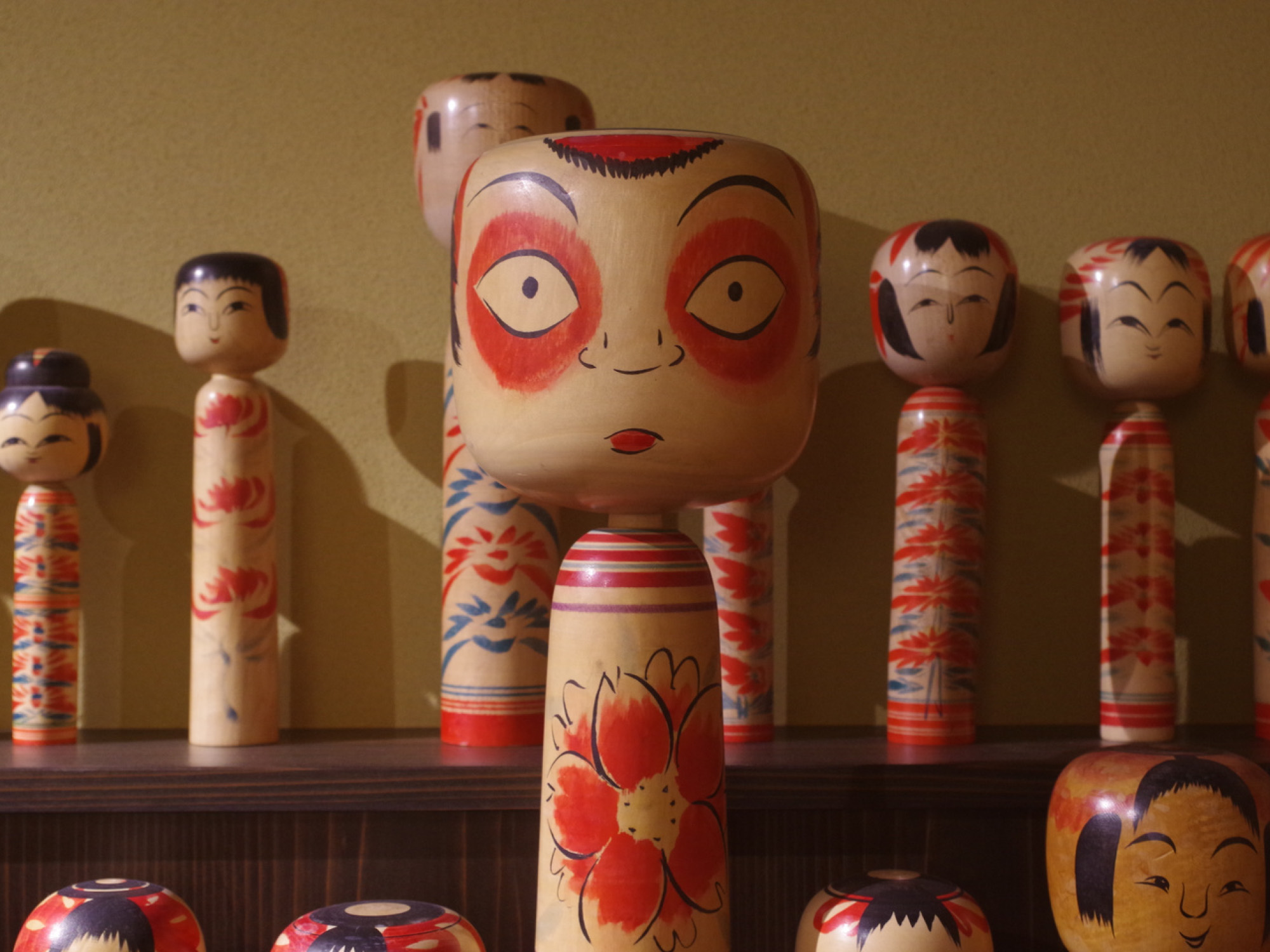
Room-by-Room Themes: The dolls are carefully categorized into distinct rooms and areas, featuring Ichimatsu dolls, hina dolls for Girls’ Day, warrior dolls for Boys’ Day, traditional wooden kokeshi dolls, earthy tsuchiningyo (clay dolls), Takeda and Bunraku puppet dolls, porcelain dolls, and even Russian matryoshka nesting dolls.
The Rare Matsumoto Oshiebina: Keep an eye out for Matsumoto Oshiebina (Matsumoto pressed cloth dolls). While the general technique of oshi-e is practiced by various craftspeople, this specific regional variety features stunning, semi-3D ukiyo-e style faces that were wildly popular during the Meiji era. After dying out in the early 20th century and later being revived by the Mimura family, today the Berami Doll Shop in Matsumoto is recognized as the only remaining manufacturer left producing authentic, entirely handmade Matsumoto Oshiebina.
The Japan Map Display: One of the most visually engaging highlights is a display table shaped like the Japanese archipelago, where regional dolls from all over the country are neatly positioned across their respective prefectures, making the geographical traditions easy and fun to follow.

Why You Should Visit
Kanazawa is a city best explored at a leisurely pace. While Higashi Chaya is fantastic for a vibrant afternoon stroll, Nishi Chaya offers a peaceful retreat into authentic history. Stopping by the Dolls Museum allows visitors to escape the heavy tourist crowds, appreciate master-level traditional artistry up close, and discover a side of Japanese culture that most guidebooks miss.
Next time you are in Kanazawa, make sure not to skip the quieter side of town, every itinerary benefits from the detour!
- Location: 2-24-1 Nomachi, Kanazawa, Ishikawa (in the Nishi Chaya District)
- Official Website: Dolls Museum